Preparing a Toddler or Sibling for a New Baby
Big changes for little people
A new baby changes the whole house. Adults can usually understand what’s coming, even when it feels emotional. Toddlers and young children experience it differently. They notice the growing belly, the conversations, and the shift in attention, even if they don’t have the words to explain how they feel.
You might see excitement, clinginess, extra affection, or big emotions. Sometimes all of it in the same day. That’s normal. It doesn’t mean something is wrong. It means your child is adjusting to a big change
The good news is, you don’t have to prepare them perfectly. There’s no script to follow. What matters most is helping your child feel secure, included, and loved as your family grows.
How to talk about pregnancy in toddler-friendly language
Toddlers understand best when things are simple and concrete. They don’t need a detailed explanation of pregnancy. What they do need is to know what’s changing in their world.
Phrases like “There’s a baby growing in my belly” or “Soon we’ll have a baby who needs help eating and sleeping” are usually enough. When they ask when, “soon” often works better than a specific date. Young children don’t experience time the way adults do, and that’s okay.
You will probably repeat yourself. A lot. That repetition is how toddlers process change and build a sense of safety. Try to answer calmly, even when it feels redundant. It’s reassuring for them.
If a question catches you off guard, keep your response short and honest. You don’t need the perfect words. A steady, calm tone matters more than a detailed explanation.
Involving siblings during pregnancy
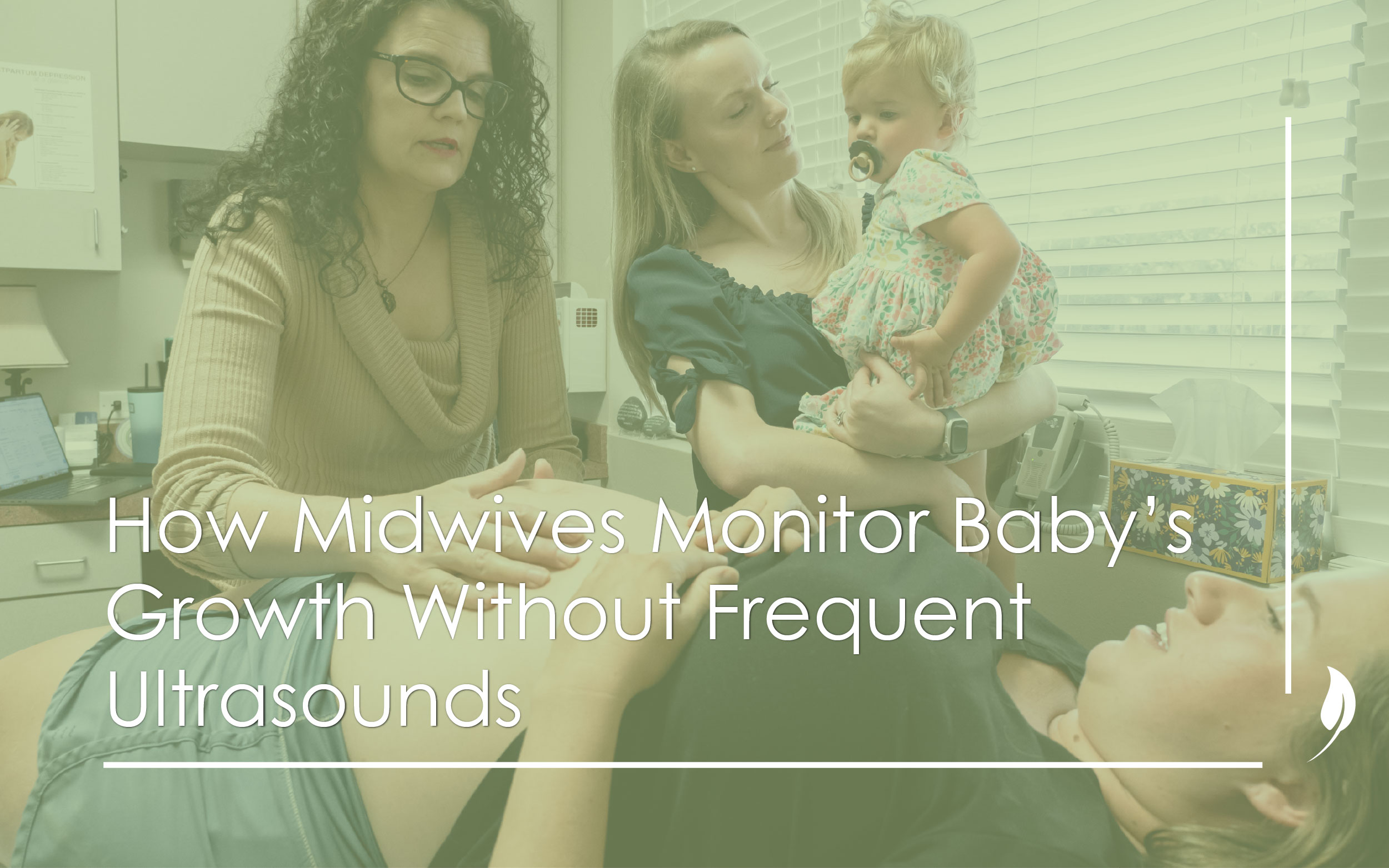
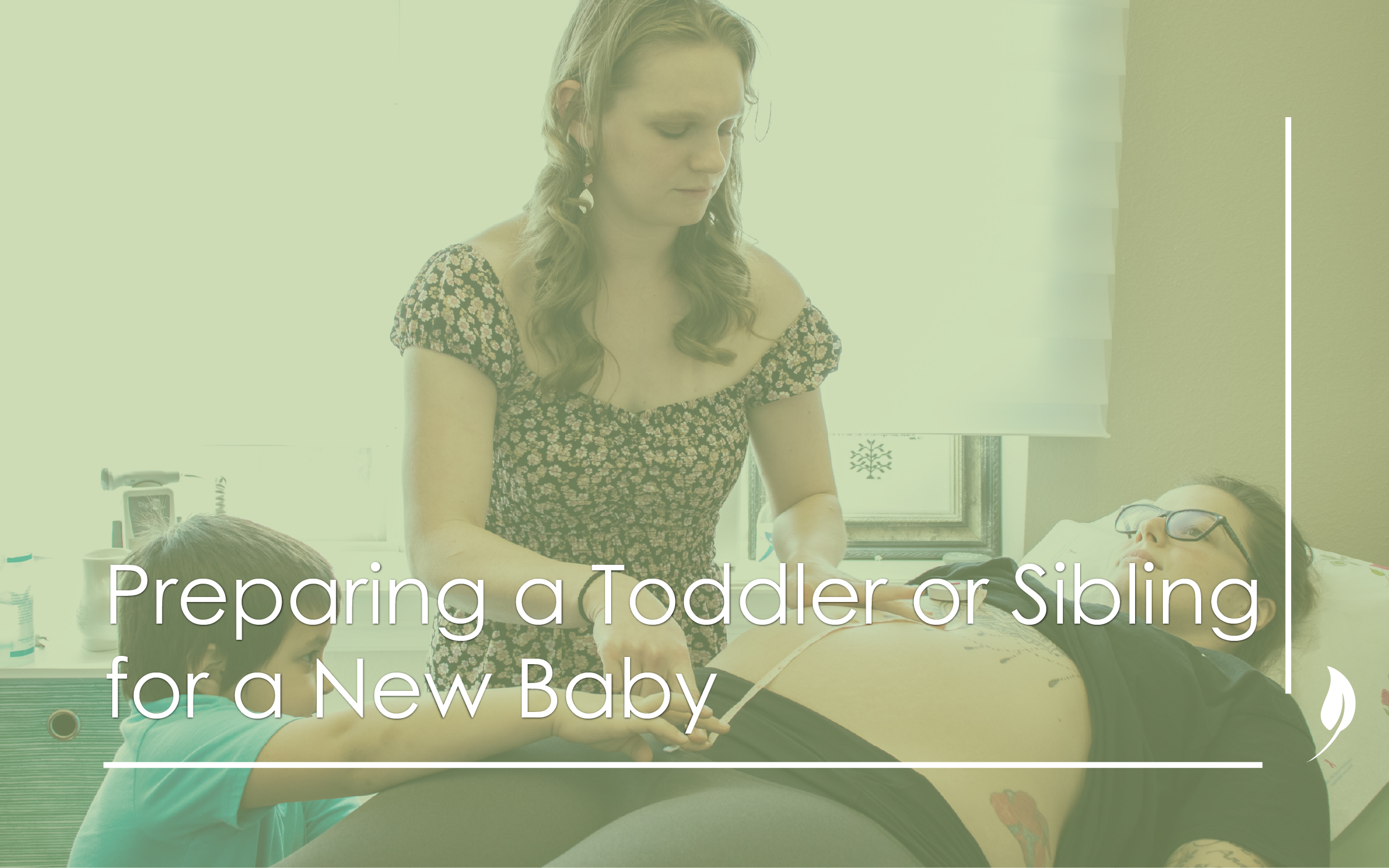
Inclusion helps pregnancy feel less mysterious. When it’s appropriate, bringing a sibling to a prenatal visit can be a really meaningful experience. Kids often love seeing where you go, meeting the midwife, and hearing the heartbeat. It helps turn pregnancy into something real instead of abstract.
At home, you can invite them to feel kicks if they’re interested. You might encourage them to say goodnight to the baby or talk to your belly. Some children love this. Others are completely uninterested. Both responses are normal, and neither needs to be corrected.
If your child asks the same questions again and again, it usually means they’re seeking reassurance and connection, not that they aren’t listening. Some days they’ll talk about the baby nonstop. Other days they won’t mention it at all. Let that rhythm be natural. It’s all part of how they process change.
Using books, play, and routine to prepare
Books can help children understand feelings they don’t yet have words for. Choose stories that show a range of emotions, not just excitement, so your child knows it’s okay to feel unsure too.
Play is often how kids make sense of change. A doll or stuffed animal becomes the baby. They might rock, feed, or shush it, or even get frustrated. All of that is normal. It’s how they practice.
Routine is grounding. When daily rhythms stay steady, children feel secure. Try to keep bedtimes, meals, and familiar rituals consistent. If something will change after the baby arrives, talk about it simply ahead of time so it doesn’t feel sudden.
Preparing for the birth day
Birth day can feel confusing for kids because it involves separation and a lot of unknowns. Preparing ahead helps. Let them know who will be with them, where you will go, and that you will come back. Keep it simple and repeat it as needed.
If your child will visit the birth center, describe what they might see and who will be there. If they won’t be present, a basic explanation still helps them feel included. Most of all, reassure them that they are safe, loved, and cared for. That reassurance matters more than any details.
How birth centers support growing families
Many children feel the biggest shift after the baby arrives. Clinginess, big emotions, sleep changes, or tantrums are common. These behaviors don’t mean you’re doing anything wrong.
They mean your child is adjusting.
At Birth Center Stone Oak, we care for the whole family. Siblings are welcome at prenatal visits when appropriate, and our midwives are happy to help explain pregnancy and birth in kid-friendly ways. Support doesn’t stop at delivery. We’re here as your family settles into its new rhythm.
For more family-centered guidance, visit Birth Center Stone Oak or explore our YouTube channel.